

Oceania.
Countries: 14 sovereign nations encompassing Australasia, Melanesia, Micronesia, Polynesia.
Population Total: 47m (Australia 27m)
Local Languages: 1500
Total Continent GDP: $2.1 trillion 2027
Average Annual Income: $64,000 Australia, $2,000 Pacific Islands
Economic Unions and Blocs: 6
Economic unions and trade blocs in Oceania primarily revolve around trans-Pacific and regional agreements. The continent does not have a single, deeply integrated economic bloc like the European Union; rather, its nations participate in a web of multilateral free trade agreements and development forums.
The primary economic and trade frameworks in Oceania include:
AANZFTA: The ASEAN-Australia-New Zealand Free Trade Area. This pact integrates the economies of Southeast Asia with Oceania's two largest markets to boost trade and investment.
SPARTECA: The South Pacific Regional Trade and Economic Cooperation Agreement. A non-reciprocal treaty under which Australia and New Zealand provide preferential, duty-free access to products from Forum Island Countries.
PACER Plus: The Pacific Agreement on Closer Economic Relations Plus. This is a comprehensive trade and development agreement covering Australia, New Zealand, and several Pacific Island nations to help them integrate into the global economy.
PIFS: The Pacific Islands Forum. While primarily a political and strategic policy organization, it drives significant regional economic integration and development policies for 18 member states across the Pacific.
CPTPP: The Comprehensive and Progressive Agreement for Trans-Pacific Partnership. This is a massive free-trade agreement including Oceanic nations like Australia and New Zealand alongside countries in the Americas and Asia.
PICTA: The Pacific Island Countries Trade Agreement. A free trade area designed to gradually reduce and eliminate tariffs among the Pacific Island nations.

American Samoa

Australia

Cook Islands
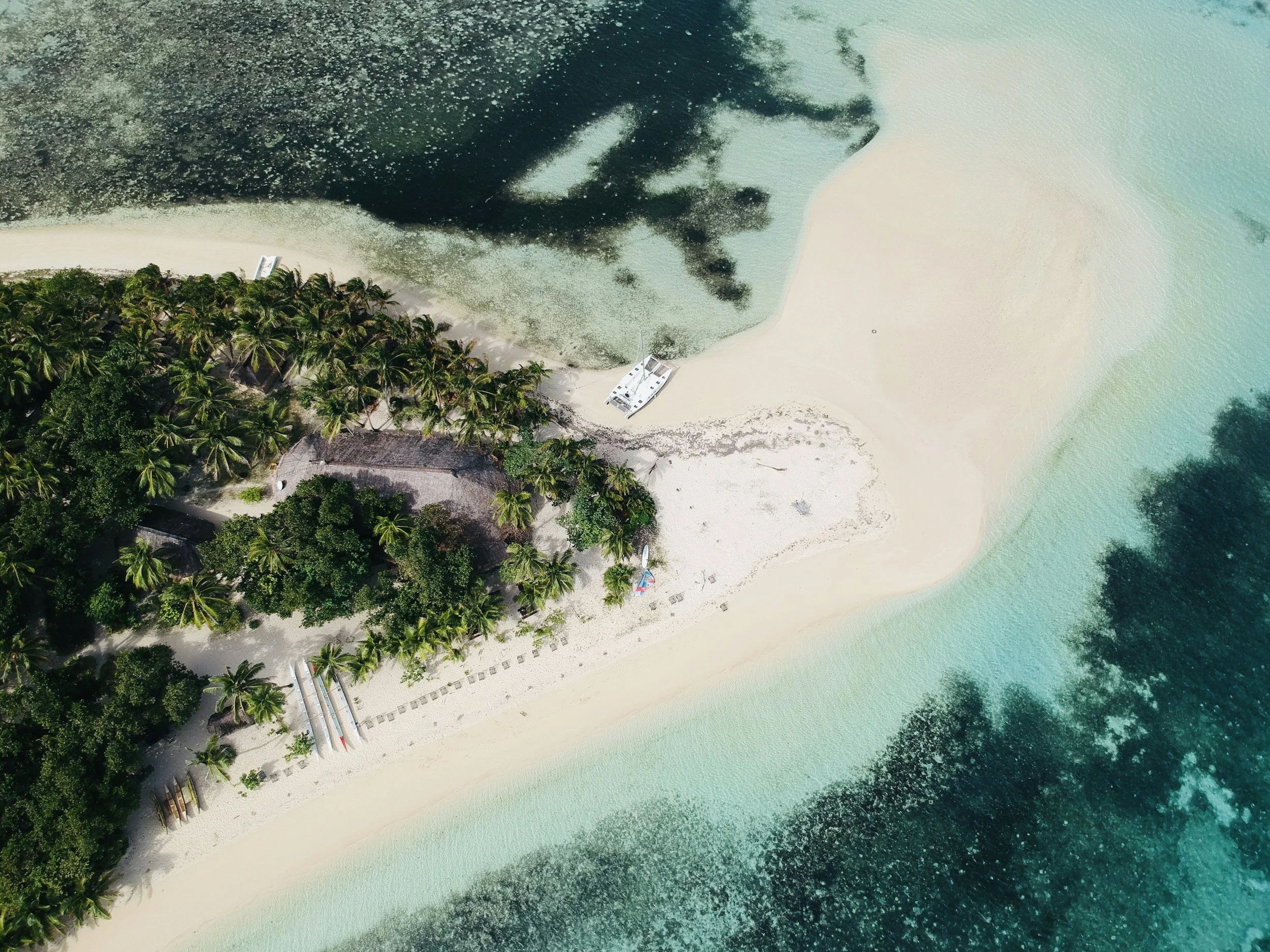
Fiji

French Polynesia
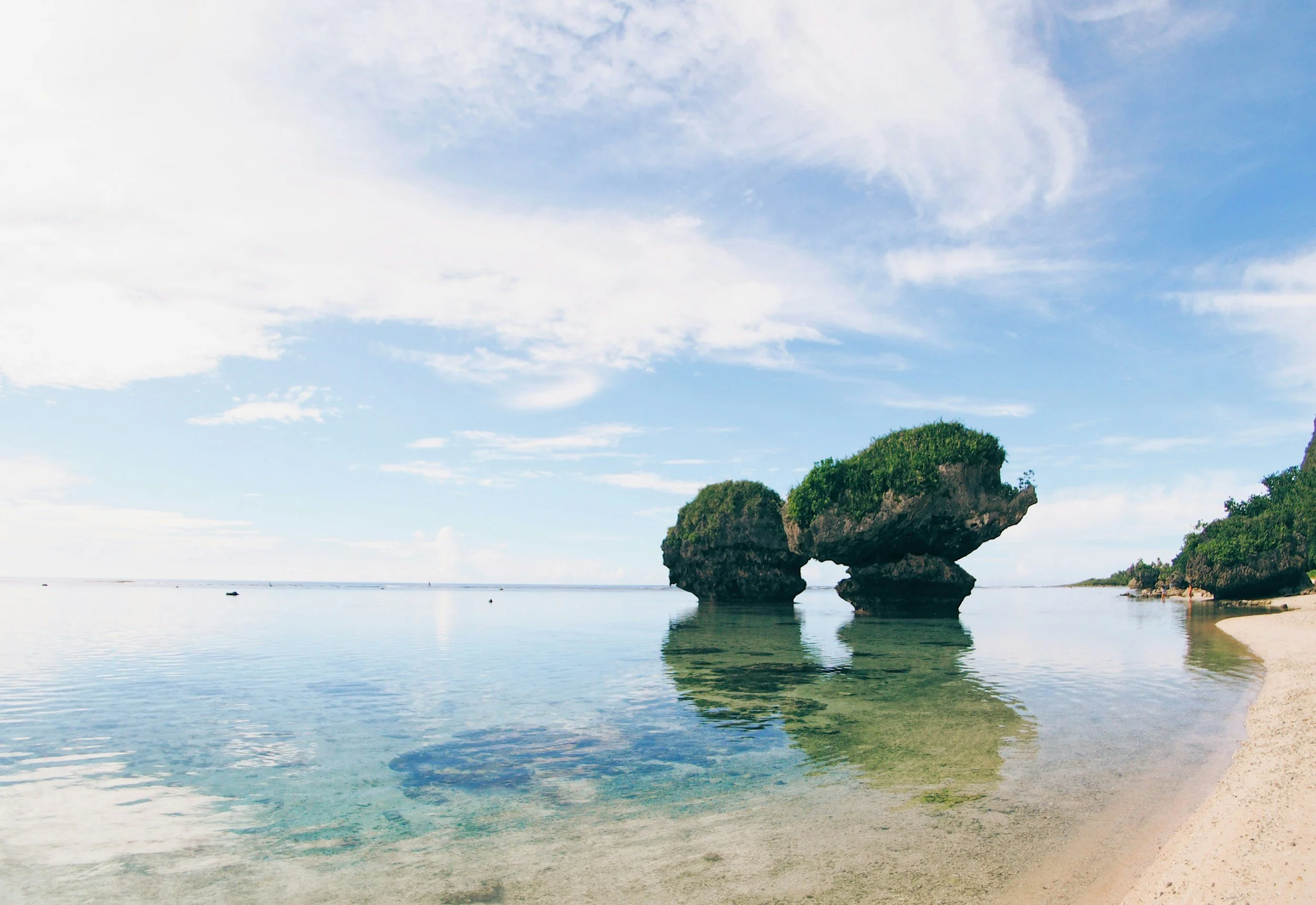
Guam
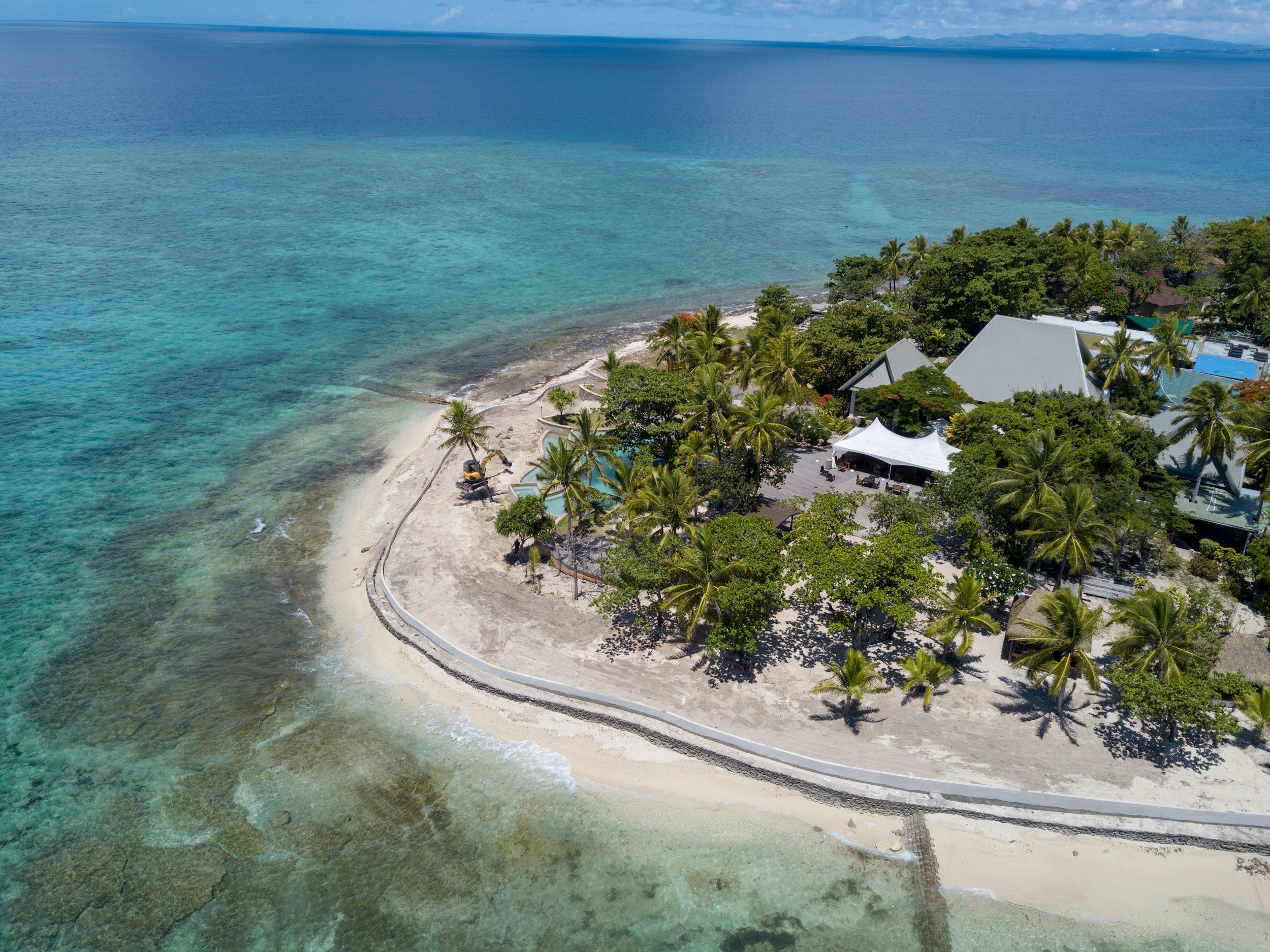
Kiribati
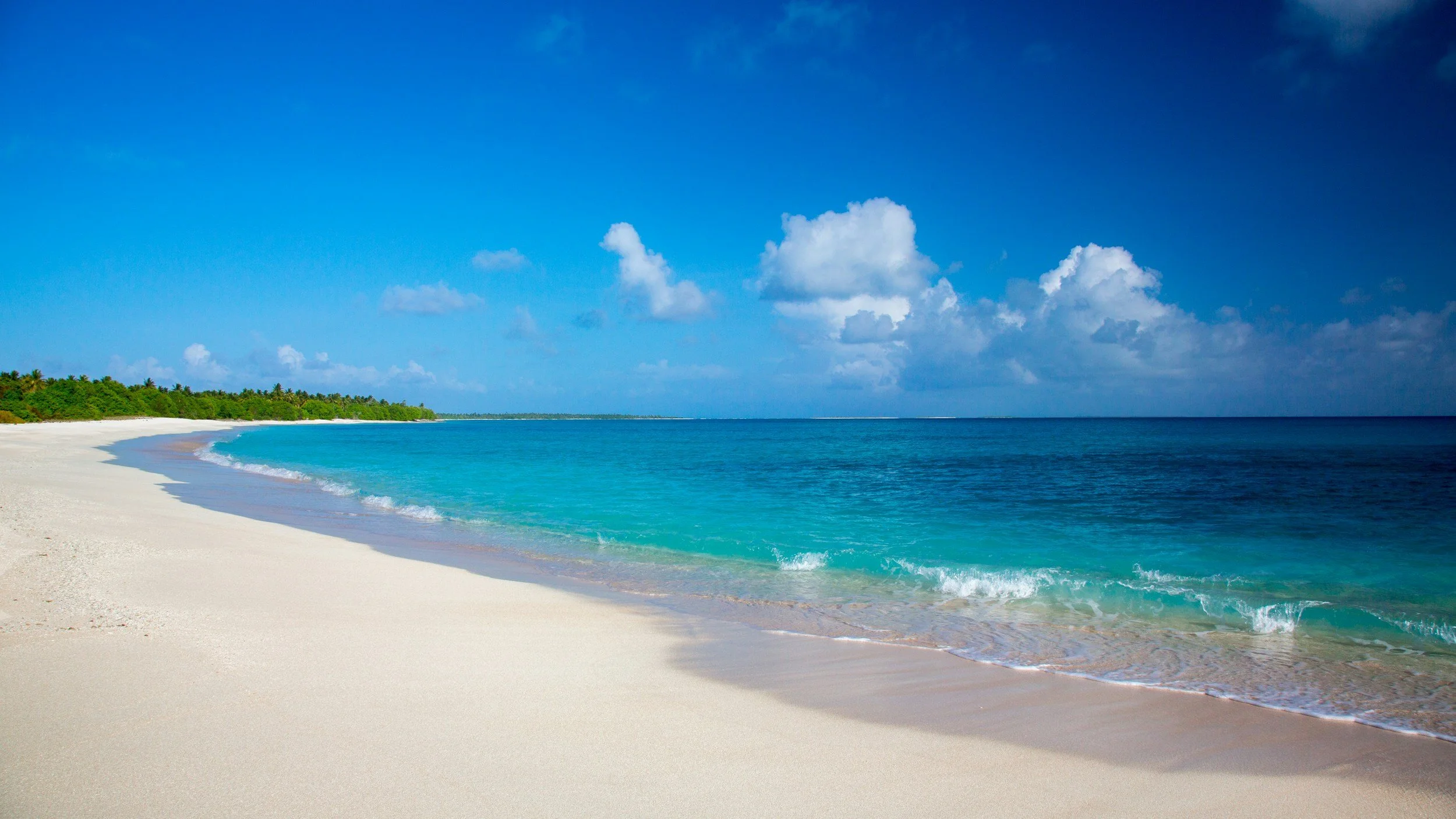
Marshall Islands
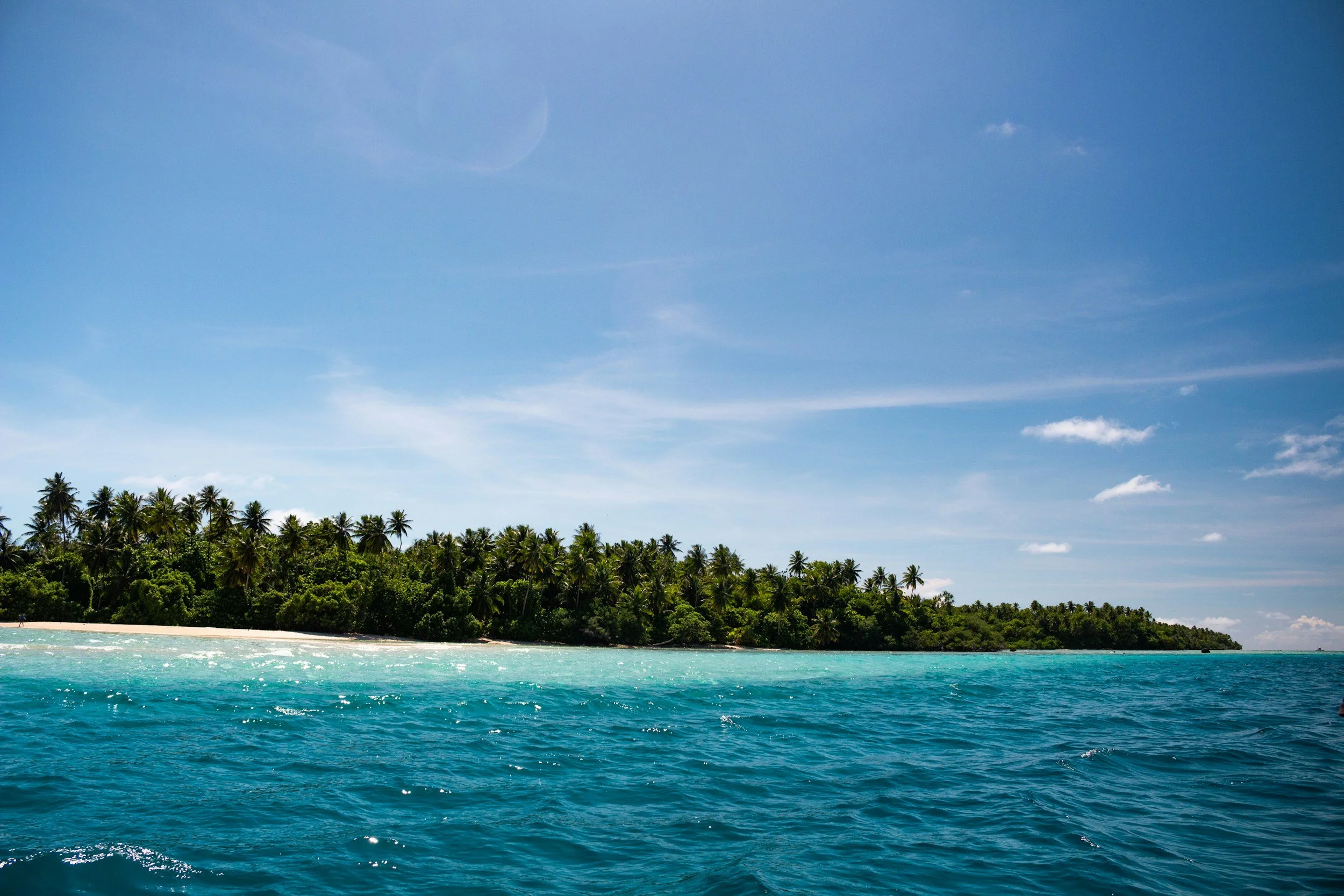
Micronesia
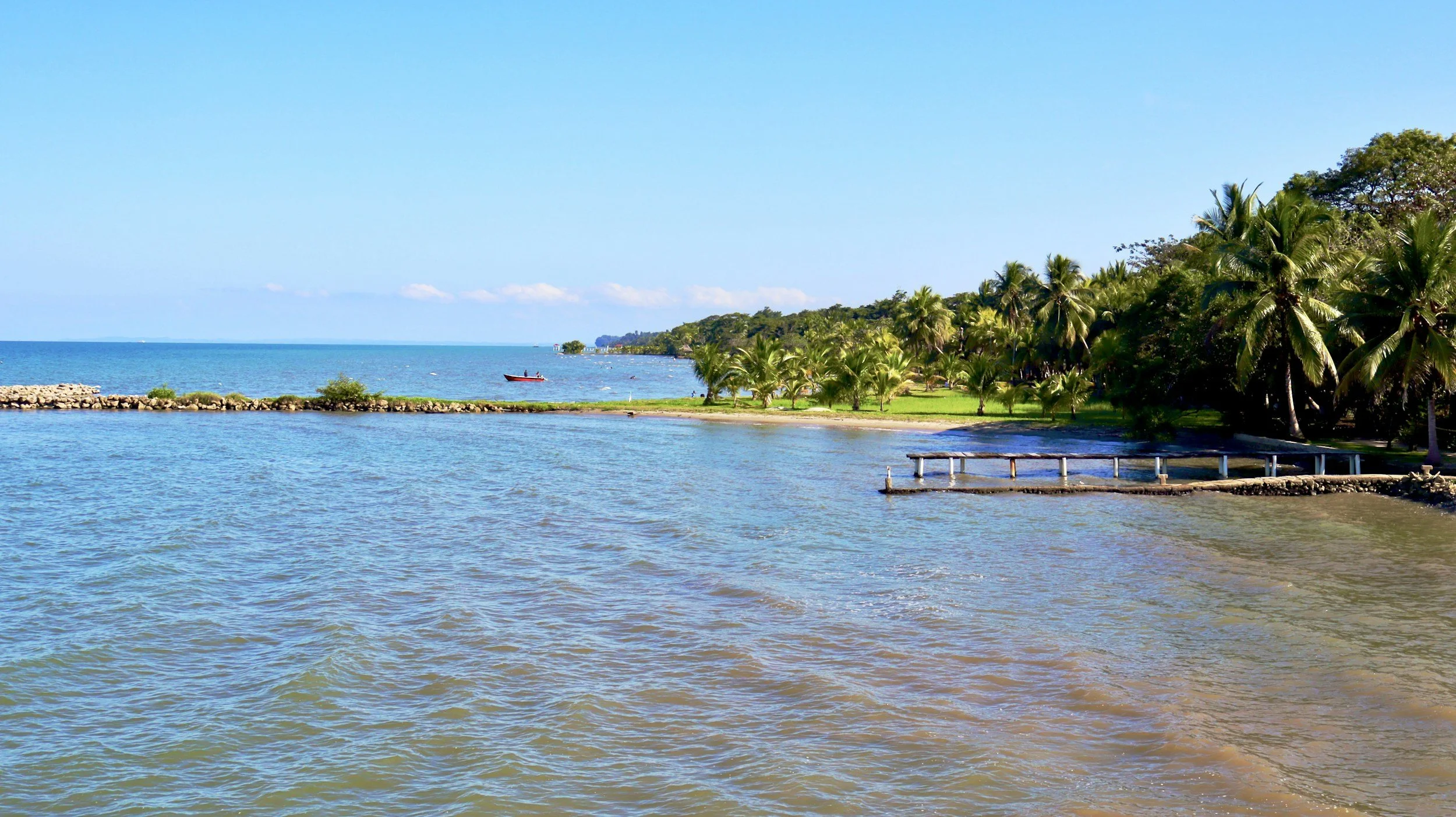
Nauru

Niue
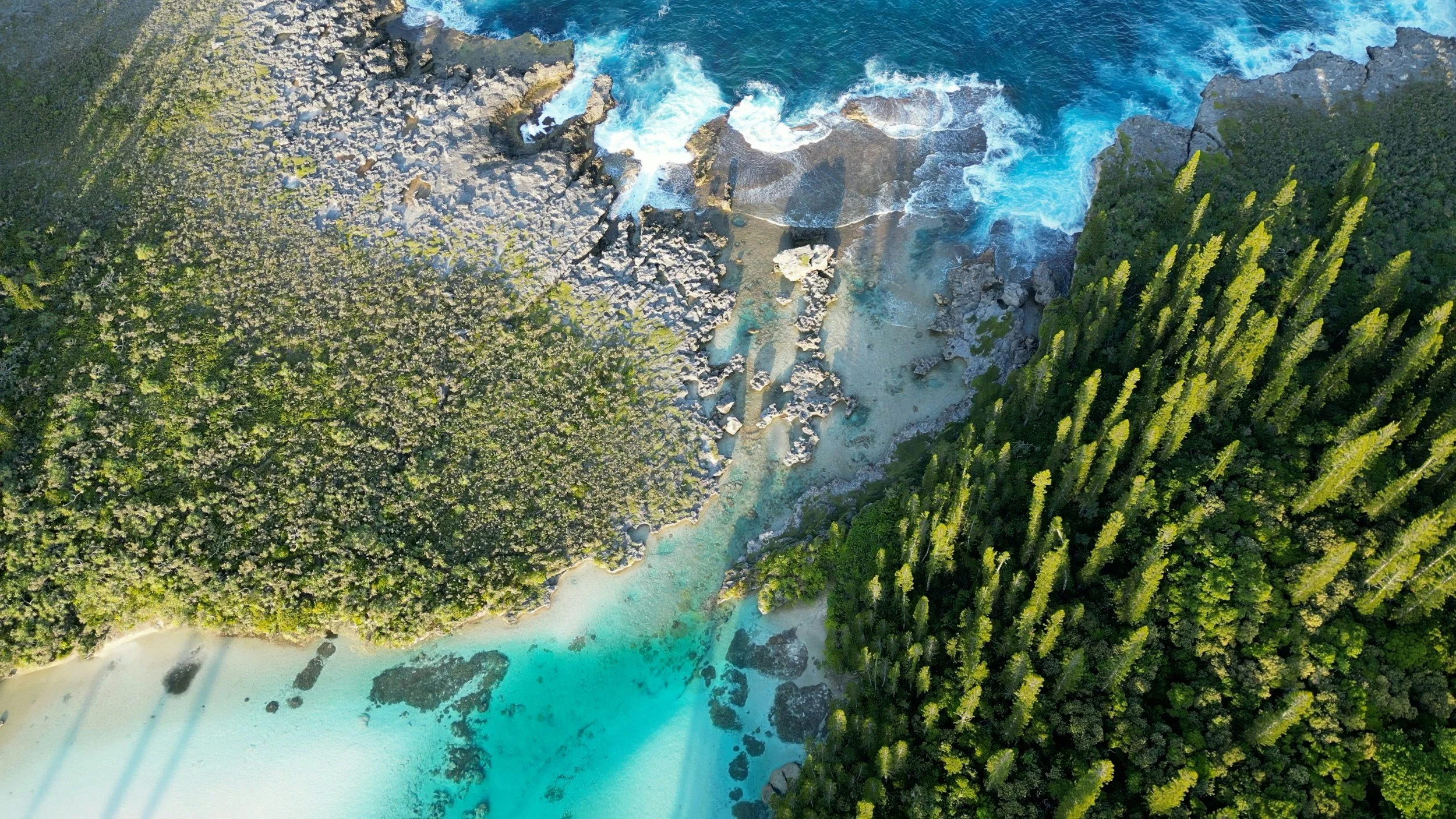
New Caledonia

New Zealand

Northern Mariana Islands

Palau
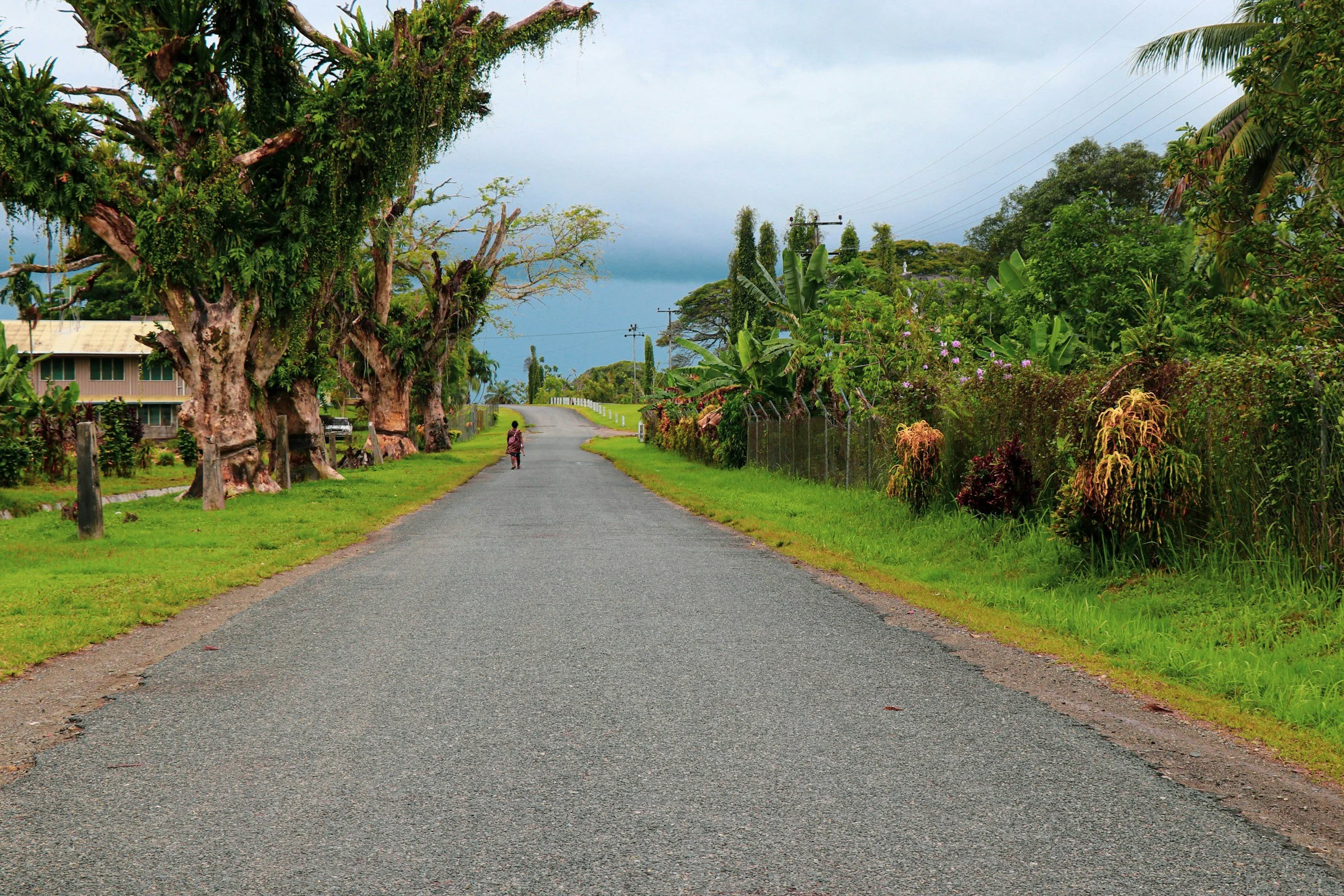
Papa New Guinea

Samoa
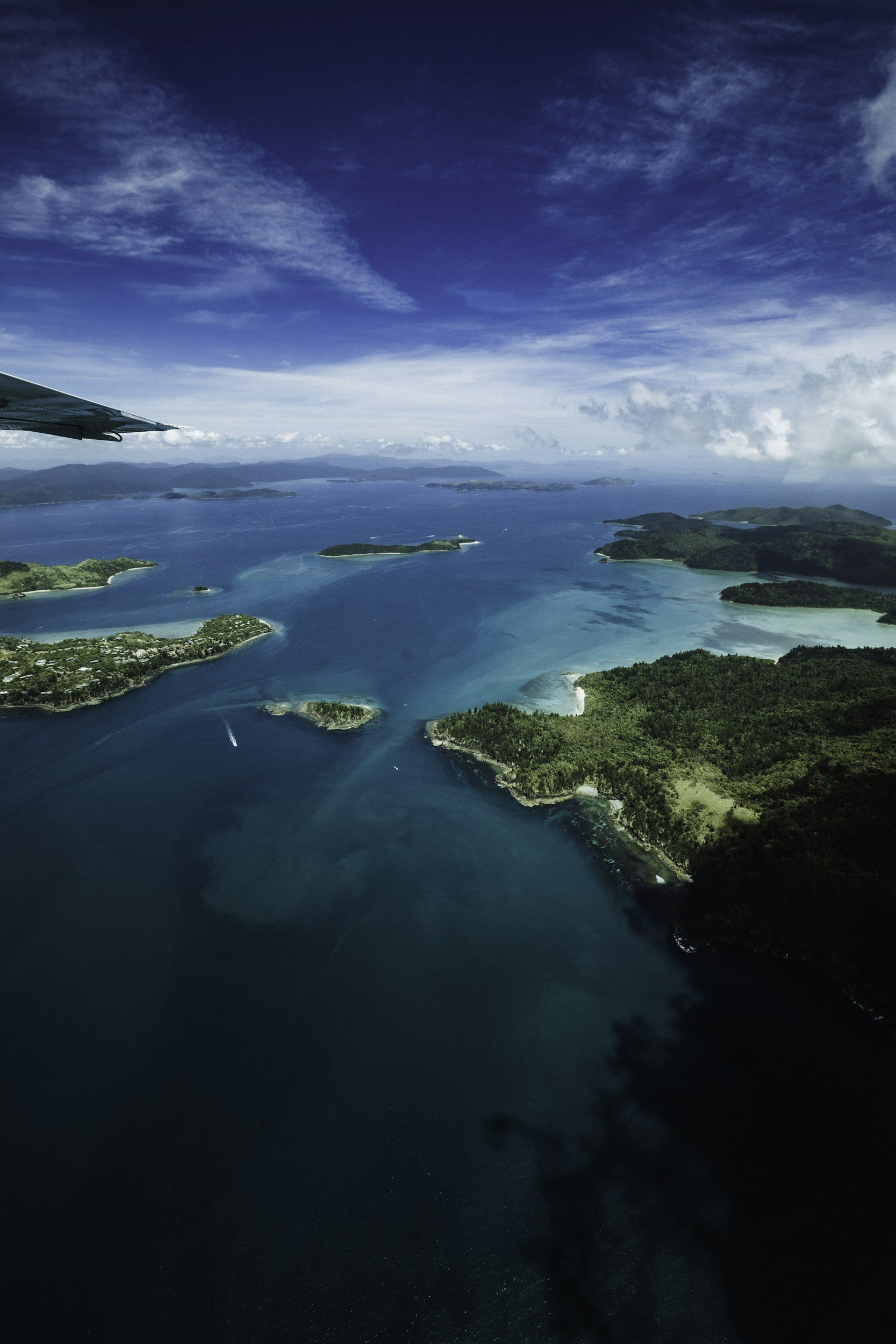
Solomon Islands

Tokelau

Tonga

Tuvalu

Vanuatu
Wallis And Futuna